
Choosing the right roofing system for your commercial property is a major investment decision. If you’re researching TPO vs EPDM roofing systems, you’re likely looking for durability, value, and long-term performance — not just the lowest upfront cost.
Both TPO and EPDM are popular flat roofing materials used on commercial and low-slope buildings. Each offers unique benefits depending on your building’s needs, climate, and budget.
In this guide, we’ll break down the differences between TPO and EPDM roofing systems so you can make an informed, confident decision for your property.
Understanding Flat Roofing Systems
Flat and low-slope roofs require specialized materials designed to handle:
Standing water
UV exposure
Temperature swings
Wind uplift
Foot traffic from maintenance
Single-ply membrane systems like TPO and EPDM are commonly used because they provide reliable waterproofing and flexibility without excessive weight.
Let’s look at each option individually.
What Is TPO Roofing?
Overview of TPO (Thermoplastic Polyolefin)
Before deciding between TPO vs EPDM roofing systems, it’s important to understand how each material works.
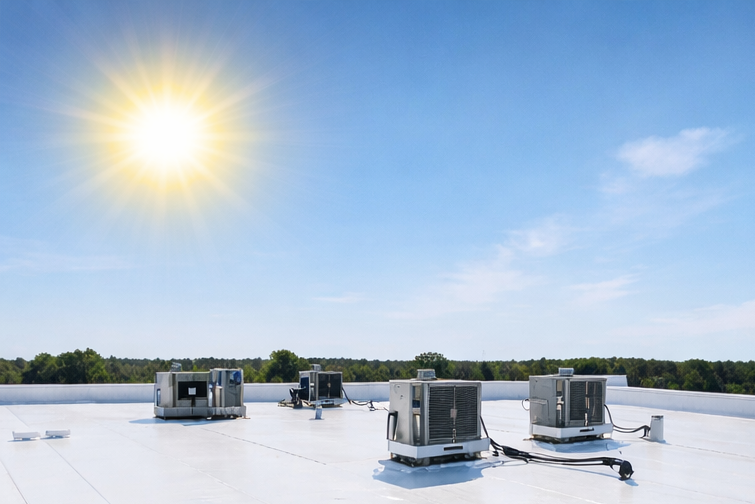
TPO roofing is a single-ply white membrane designed for energy efficiency and durability. It’s heat-welded at the seams to create a continuous waterproof surface.
Key Benefits of TPO Roofing
1. Energy Efficiency
TPO’s white reflective surface helps reduce heat absorption. This can lower cooling costs during warmer months by reflecting UV rays away from the building.
2. Strong Seam Performance
Heat-welded seams create a bond stronger than the membrane itself. This reduces the risk of leaks over time.
3. Chemical & UV Resistance
TPO performs well against UV exposure, ozone, and certain chemicals, making it ideal for restaurants and industrial facilities.
4. Clean, Modern Appearance
TPO provides a bright, uniform finish that many commercial property owners prefer.
Potential Considerations with TPO
Quality can vary by manufacturer
Requires experienced installers for proper seam welding
May not perform as well in extremely cold climates compared to EPDM
What Is EPDM Roofing?
Overview of EPDM (Ethylene Propylene Diene Monomer)
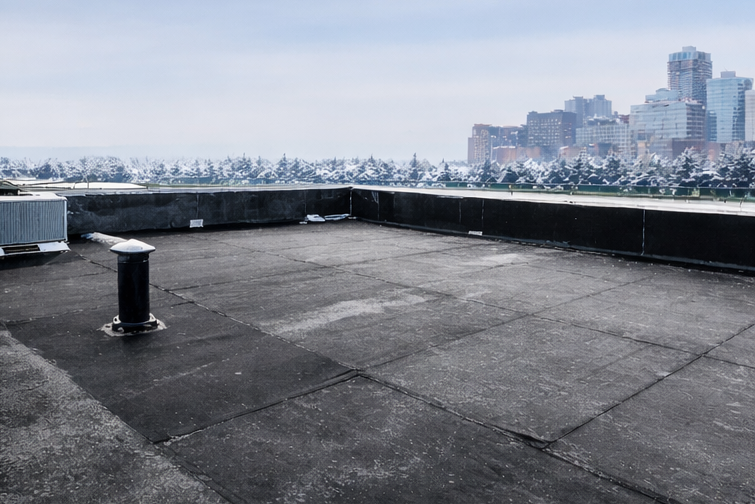
EPDM roofing is a synthetic rubber membrane, typically black, known for its flexibility and long track record of reliability.
Key Benefits of EPDM Roofing
1. Proven Durability
EPDM has been used for decades and is known for long-term performance in various climates.
2. Excellent Flexibility
Rubber membranes expand and contract easily, making EPDM ideal for regions with significant temperature fluctuations.
3. Cost-Effective Installation
EPDM is often more affordable upfront compared to TPO.
4. Cold Climate Performance
Because of its flexibility, EPDM performs exceptionally well in colder environments.
Potential Considerations with EPDM
Black surface absorbs heat (can increase cooling costs)
Seams are typically adhered rather than heat-welded
Less reflective unless coated
TPO vs EPDM Roofing Systems: Side-by-Side Comparison
Energy Efficiency
TPO: Highly reflective, better for hot climates.
EPDM: Absorbs heat unless coated; better in cooler climates.
Durability & Lifespan
Both systems can last 20–30 years with proper installation and maintenance.
EPDM has a longer historical track record.
TPO seam strength can offer superior leak protection.
Installation Method
TPO: Heat-welded seams.
EPDM: Adhered or mechanically fastened seams.
Proper installation is critical for both systems. Poor workmanship can shorten lifespan regardless of material.
Maintenance Requirements
Both roofing systems require:
Routine inspections
Seam checks
Debris removal
Prompt repair of punctures
Cost Comparison: TPO vs EPDM
When comparing TPO vs EPDM roofing costs, several factors matter:
Roof size
Insulation requirements
Tear-off vs. overlay
Labor rates
Warranty coverage
In many cases:
EPDM may have lower initial installation costs.
TPO may provide long-term energy savings in warmer climates.
The “cheapest” option upfront isn’t always the most cost-effective over 20 years.
Which Roofing System Is Right for Your Building?
Choosing between TPO and EPDM roofing systems depends on:
1. Climate
Hot climate → TPO may reduce cooling costs.
Cold climate → EPDM’s flexibility may perform better.
2. Building Use
Restaurants or buildings exposed to chemicals → TPO’s resistance may be beneficial.
3. Budget Strategy
Looking for lowest upfront cost → EPDM may fit.
Looking for energy savings → TPO may provide ROI.
4. Long-Term Plans
If you plan to own the property long term, energy efficiency and warranty coverage become more important.
When comparing TPO vs EPDM roofing systems, EPDM is often chosen for its cold-weather performance and flexibility.
Why Professional Installation Matters
No matter which material you choose, the contractor matters more than the membrane.
Improper seam welding, flashing errors, or poor drainage design can lead to premature failure. Working with an experienced commercial roofing contractor ensures:
Proper insulation selection
Correct fastening or adhesion
Code compliance
Manufacturer warranty eligibility
Long-term performance
Final Thoughts: Making the Right Roofing Decision
When comparing TPO vs EPDM roofing systems, there is no universal “best” choice — only the best choice for your building.
TPO offers strong energy efficiency and heat-welded seams.
EPDM provides proven durability and cold-weather flexibility.
The right decision comes down to climate, budget, building use, and long-term goals.
If you’re considering a flat roof replacement or new installation, a professional inspection and consultation can help determine which system delivers the best performance and value for your property.
Invest wisely. Your roof protects everything underneath it.