
The housing market can feel overwhelming. High interest rates, limited inventory, bidding wars, and inflated prices make moving stressful and expensive. If you love your neighborhood but need more space, you might be asking: Should I move, or should I build a home addition?
For many homeowners, a home addition is a smarter, more cost-effective solution than purchasing a new house in a less-than-ideal housing market. Expanding your current home allows you to gain space, improve functionality, and increase property value—without the uncertainty of buying.
Let’s explore why adding onto your home could be the better move.
Why Buying a New Home Isn’t Always the Best Option
Rising Interest Rates and Higher Monthly Payments
Mortgage rates directly impact your long-term cost. Even a small increase in interest can add tens of thousands of dollars over the life of a loan. If you currently have a low-rate mortgage, moving could significantly increase your monthly payment.
Limited Housing Inventory
In competitive markets, homes sell quickly—often above asking price. You may end up compromising on layout, location, or features just to secure a property.
Hidden Costs of Moving
Buying a new home isn’t just about the purchase price. Consider:
Realtor commissions
Closing costs
Moving expenses
Renovations or upgrades in the new home
Property tax changes
These costs can quickly add up.
The Advantages of a Home Addition
Stay in the Neighborhood You Love
If your current home is in a great school district, close to work, or surrounded by friends and family, moving may mean sacrificing what you value most. A home addition allows you to stay rooted in your community.
Customize Your Space Exactly How You Want It
When you buy a home, you often settle for someone else’s design choices. With a custom home addition, you can create:
A larger kitchen
A primary suite
An in-law suite
A home office
A bonus room
A sunroom or covered patio
You design the space around your lifestyle—not the other way around.
Potentially Lower Long-Term Costs
Depending on your situation, building a home addition may cost less than purchasing a larger home—especially when you factor in market conditions and loan rates.
You also avoid:
Competing bids
Market volatility
Overpaying in a seller’s market
Types of Home Additions to Consider
Room Additions
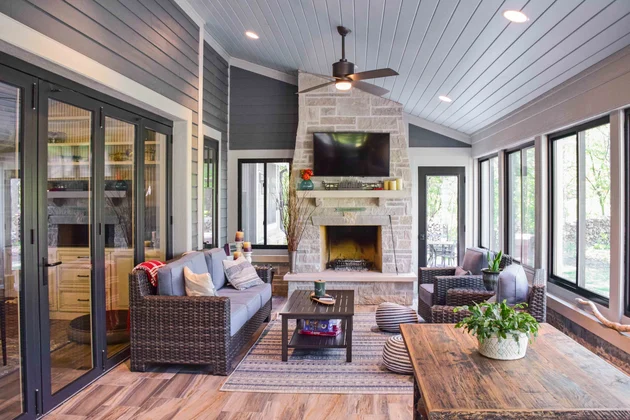
A room addition expands your home’s footprint. This is ideal for:
Extra bedrooms
Expanded living rooms
Dedicated office space
Guest suites
Second-Story Additions
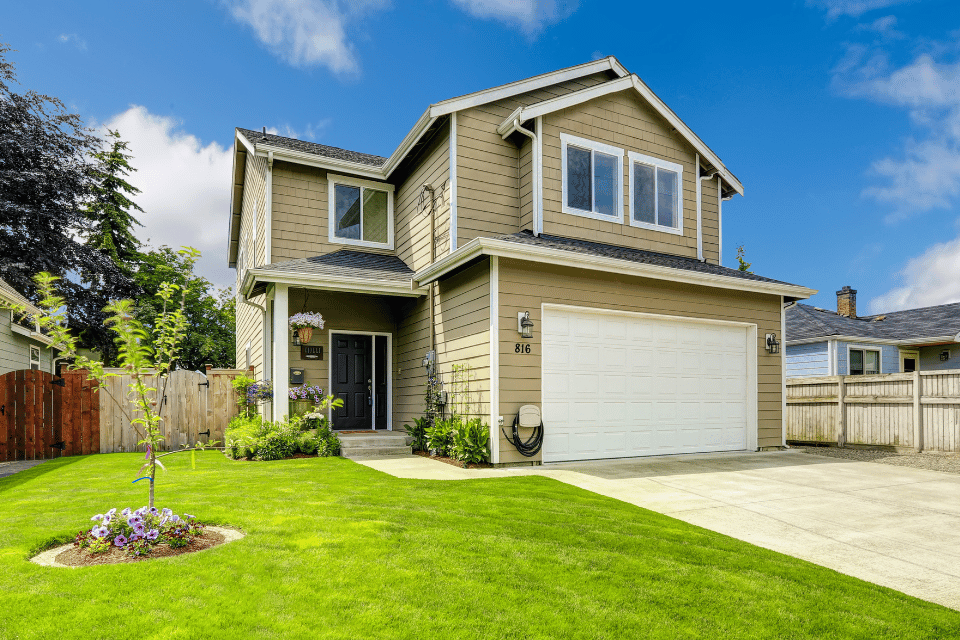
If you don’t want to expand outward, building up is an option. A second-story addition can double your square footage without sacrificing yard space.
Garage Conversions
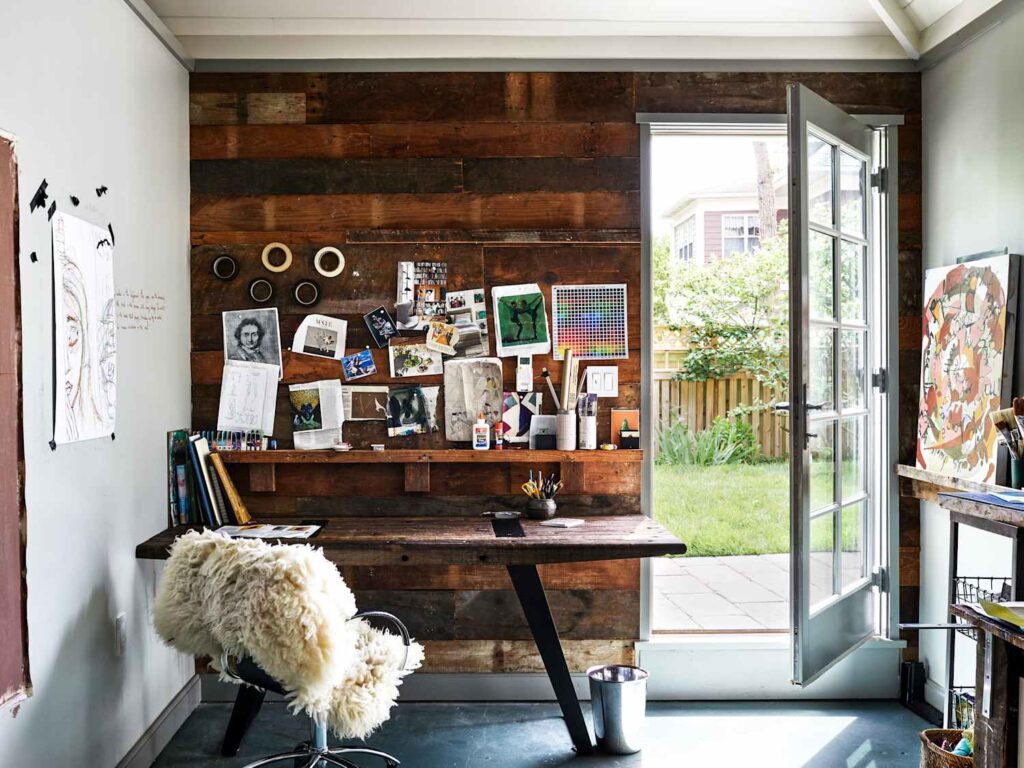
Converting an existing garage into livable space can be a cost-effective way to gain square footage.
Financial Considerations: Addition vs. Moving
Equity Growth
A well-planned home addition can increase your property value. Adding usable square footage often improves resale appeal and appraisal value.
Controlled Investment
With a home addition project, you can:
Set a defined budget
Choose materials and finishes
Control the timeline
When buying a new home, unexpected inspection issues or renovation needs can quickly inflate costs.
Tax Benefits
In some cases, home improvement projects may offer tax advantages. Always consult a financial professional to understand what applies to your situation.
Is a Home Addition Right for You?
A home addition may be ideal if:
You need more space but love your current location
You have a low-interest mortgage you want to keep
You want a customized layout
You prefer investing in your existing property
However, if your home has structural limitations or major foundational issues, moving may still be the better long-term solution.
A professional inspection and consultation can help determine what’s feasible.
How to Plan a Successful Home Addition
1. Evaluate Your Goals
Are you expanding for growing family needs? Remote work? Aging-in-place planning? Clarifying your purpose guides design decisions.
2. Understand Local Building Codes
Permits and zoning requirements vary by area. Working with experienced contractors ensures compliance and avoids costly delays.
3. Work With a Reputable Contractor
A trusted contractor will:
Provide detailed estimates
Help with design and layout
Manage permits
Ensure quality construction
Choosing the right team protects your investment.
Final Thoughts: Expand Instead of Relocate
In an unpredictable housing market, a home addition offers stability, customization, and financial control. Instead of settling for a home that doesn’t quite fit—or overpaying in a competitive market—you can transform the home you already love.
Expanding your home allows you to build equity, improve functionality, and create a space tailored specifically to your needs.
If you’re considering a home addition, consult a professional to evaluate your property and explore your options. The right project could give you the space you need—without the stress of moving.